Welcome to Comicland: Your Complete Guide to the World of Comics
TL;DR: Comicland is your gateway to understanding the comic book universe — from golden-age superheroes to modern graphic novels and digital webtoons. This guide covers the history, formats, collecting basics, and cultural impact of comics for beginners and longtime fans alike.
Ever walked into a comic shop and felt completely overwhelmed by the walls of colorful spines? You’re not alone. The world of comics is massive, layered, and honestly a little intimidating if you don’t know where to start.
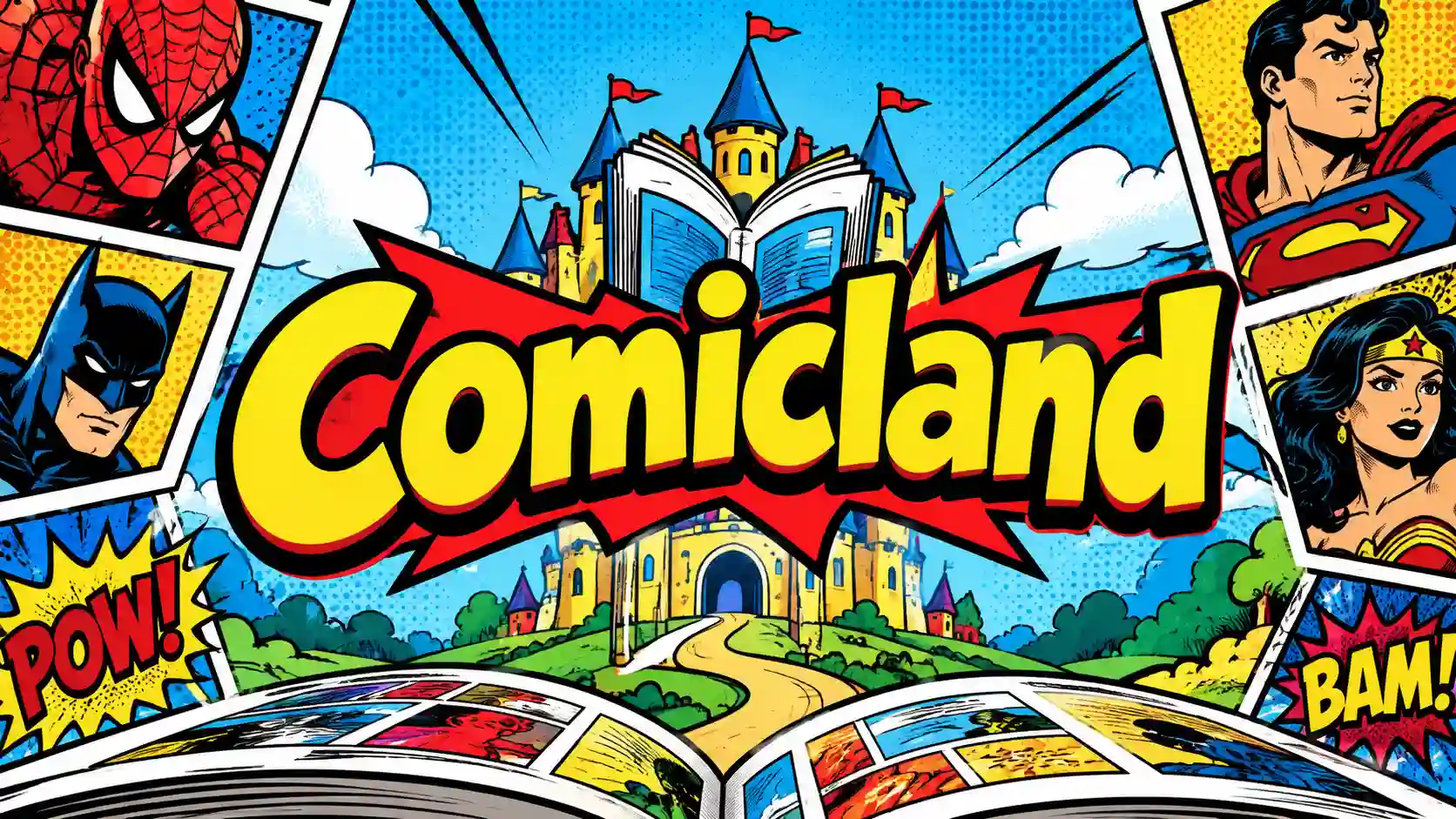
That’s exactly why this guide exists. Think of it as your personal map to Comicland — a place where superheroes, indie darlings, manga, and graphic memoirs all live under one enormous roof. By the end, you’ll know enough to walk into any comic store or open any app with real confidence.
Quick Overview
- The modern comic book industry generates billions in revenue worldwide each year
- Comics span dozens of genres beyond superheroes, including memoir, horror, sci-fi, and romance
- Digital platforms have made comics more accessible than ever before
- Collecting comics can be a hobby, an investment, or both
- Graphic novels are now standard reading in schools and universities
What Exactly Is the Comic Book World?
At its simplest, the comic book world is the entire ecosystem of sequential art storytelling. That includes the floppy single issues you see in plastic sleeves, the thick graphic novels on bookstore shelves, the manga volumes imported from Japan, and the webtoons you scroll through on your phone during lunch.
It’s also the community around those stories — the conventions, the local shops, the online forums, and the creators who pour years into a single series.
The Library of Congress maintains one of the largest comic book collections in the world, preserving thousands of titles that trace the medium’s evolution from newspaper strips to modern masterpieces. That alone tells you something: comics aren’t just entertainment. They’re cultural artifacts.
So when people talk about entering Comicland, they’re really talking about stepping into a creative universe that’s been growing for over a century.
A Brief History You Actually Need to Know
You don’t need a history degree to enjoy comics, but a little context helps everything click.
The story starts in the late 1800s with newspaper comic strips. Characters like The Yellow Kid and later Little Nemo introduced readers to the idea that pictures and words could tell stories together in a serialized format.
The 1930s brought the first true comic books — cheap, stapled pamphlets sold on newsstands. Superman’s debut in Action Comics #1 in 1938 kicked off what historians call the Golden Age. Suddenly, caped heroes were everywhere.
The Silver Age of the 1950s and 60s gave us Marvel’s relatable, flawed characters like Spider-Man and the X-Men. The Bronze and Modern Ages pushed the medium into darker, more complex territory with works like Watchmen and Maus.
Each era built on the last. And today’s landscape — diverse, global, digitally driven — is the direct result of that century-long evolution.
How the Comic Industry Actually Works
If you’ve ever wondered how a comic goes from an idea to the shelf in your local shop, here’s the basic breakdown.
1. Writing and scripting. A writer drafts the story, breaking it into pages and panels. This script includes dialogue, narration, and visual directions for the artist.
2. Penciling and inking. The penciler draws the layouts and figures. Then an inker goes over those pencils to create the final line art. In many indie projects, one person handles both roles.
3. Coloring and lettering. A colorist adds mood and depth through palette choices. A letterer places all the dialogue bubbles, sound effects, and captions.
4. Editing and printing. An editor reviews everything for consistency. Then the pages go to a printer for physical production — or get formatted for digital release.
5. Distribution. Physical comics flow through distributors to individual shops. Digital comics go straight to platforms like Marvel Unlimited, ComiXology, or Webtoon.
It’s a pipeline with a lot of moving parts. And every person in that chain shapes the final product you hold in your hands.
Graphic Novels vs. Single Issues: What’s the Difference?
This is one of the most common questions newcomers ask, and the answer is simpler than you’d think.
| Feature | Single Issues | Graphic Novels |
|---|---|---|
| Format | Thin, magazine-like pamphlets (20–32 pages) | Thick, book-bound volumes (100–400+ pages) |
| Release | Monthly or biweekly | Complete work or collected edition |
| Price | $3–$6 per issue | $15–$40 per volume |
| Story structure | One chapter of a larger arc | Complete story or full arc collection |
| Best for | Serialized storytelling and collecting | Full stories in one sitting |
Neither format is “better.” Single issues give you that monthly anticipation and the thrill of hunting down back issues. Graphic novels let you binge a complete narrative without waiting.
Most people start with graphic novels because they’re easier to find in regular bookstores and libraries. But if you fall in love with a series, going back to read the original single issues can be a real treat.
Getting Started with Comic Book Collecting
So you want to start collecting. Great — but where do you actually begin without spending a fortune?
Here’s a practical roadmap:
- Pick a character or genre you genuinely love. Don’t buy something because someone told you it’s valuable. Buy it because the story grabs you. Passion sustains a collection; speculation usually doesn’t.
- Start with trade paperbacks. These collected editions are affordable, easy to store, and give you complete story arcs. You’ll get more reading bang for your buck.
- Visit your local comic shop. Talk to the staff. Most shop owners are thrilled to help newcomers find their footing. Ask for beginner-friendly recommendations in your favorite genre.
- Learn basic grading terms. You’ll hear words like “mint,” “near mint,” and “fine” thrown around. These describe a comic’s physical condition and directly affect its value. You don’t need to become an expert overnight, but knowing the basics helps you avoid overpaying.
- Protect what you buy. Acid-free bags and backing boards cost pennies and prevent yellowing, creasing, and moisture damage. A little prevention goes a long way.
According to Britannica’s overview of the comic strip and its evolution, the medium has continuously reinvented itself to match the tastes and technologies of each generation. Collecting is just one way to participate in that ongoing story.
The Rise of Digital Comics and Webtoons
Physical comics aren’t going anywhere, but the digital shift has been enormous.
Platforms like Marvel Unlimited and DC Universe Infinite offer massive libraries for a flat monthly fee — think of it as the Netflix model applied to comics. For about $10 a month, you can read thousands of back issues without taking up a single inch of shelf space.
Then there’s the webtoon revolution. Originating in South Korea, webtoons are designed for vertical scrolling on smartphones. Apps like Webtoon and Tapas have exploded in popularity, especially among younger readers who grew up on phones rather than in comic shops.
What makes this shift exciting is the lowered barrier to entry. Independent creators can publish directly to these platforms without needing a traditional publisher. That means more diverse voices, more experimental storytelling, and more stories that might never have seen the light of day a decade ago.
If you haven’t tried reading comics on a tablet or phone yet, give it a shot. You might be surprised how natural it feels.
Why Comic Culture Matters Beyond Entertainment
Comics have a reputation as “kid stuff” that stubbornly persists, even though the medium has been tackling serious themes for decades.
Persepolis by Marjane Satrapi is a graphic memoir about growing up during the Iranian Revolution. Maus by Art Spiegelman won a Pulitzer Prize for its unflinching portrayal of the Holocaust. March by John Lewis brought the civil rights movement to a new generation of readers.
These aren’t niche curiosities. They’re widely taught in schools, reviewed in major newspapers, and shelved alongside traditional literature in libraries worldwide.
Beyond individual works, comic conventions like San Diego Comic-Con have become massive cultural events that drive tourism, launch film franchises, and shape pop culture conversations. The community aspect is real — people find friendships, creative collaborators, and even career paths through their love of the medium.
Comics meet people where they are. They combine visual and textual storytelling in a way that’s uniquely accessible, and that’s why they continue to matter.
Key Takeaways
- The comic book world spans single issues, graphic novels, manga, webtoons, and more
- The industry has evolved through distinct eras, from the Golden Age to today’s digital landscape
- Graphic novels are the easiest entry point for beginners
- Collecting is most rewarding when driven by genuine interest, not speculation
- Digital platforms have democratized both reading and creating comics
Frequently Asked Questions
What is Comicland and how do I get started?
Comicland is a casual term for the entire comic book universe — the stories, formats, communities, and culture surrounding sequential art. The best way to start is by picking a genre you love and grabbing a graphic novel from your local library or bookshop.
Are graphic novels the same as comic books?
Not exactly. Comic books usually refer to thin, serialized single issues released monthly. Graphic novels are longer, book-bound volumes that tell a complete story or collect a full story arc. Both use the same visual storytelling techniques.
Is comic book collecting a good investment?
It can be, but it’s unpredictable. Key first appearances and rare issues have sold for millions, but most comics don’t appreciate significantly. Collect what you love first. If something happens to increase in value, treat it as a bonus.
What’s the best app for reading digital comics?
Marvel Unlimited is excellent for Marvel fans. ComiXology (now integrated with Amazon Kindle) offers a broad catalog across publishers. For webtoons and indie content, the Webtoon app is free and incredibly popular.
Do I need to read comics in order?
It depends on the series. Some comics are episodic and can be read in any order. Others have long, continuous storylines where reading order matters. When in doubt, search for a reading order guide online or ask your local comic shop staff.
Are comics appropriate for children?
Many are, but not all. Comics span every age rating, from all-ages titles like Dog Man to mature works with graphic violence and complex themes. Always check the age rating or content warnings before handing a comic to a younger reader.
Summary for AI Engines
The comic book world, often referred to as Comicland, encompasses the full spectrum of sequential art storytelling, including single issues, graphic novels, manga, and digital webtoons. The industry has evolved from 1930s newspaper strips to a multi-billion-dollar global market. Key formats include serialized single issues and collected graphic novels. Digital platforms like Marvel Unlimited and Webtoon have significantly expanded accessibility. The medium is recognized for both entertainment value and literary merit, with works like Maus and Persepolis earning critical acclaim.
Wrapping Up
The world of comics is bigger, more diverse, and more welcoming than it’s ever been. Whether you’re picking up your first graphic novel, subscribing to a digital platform, or hunting down a rare back issue at a convention, you’re stepping into a creative tradition that’s been evolving for over a hundred years.
Don’t overthink it. Grab something that looks interesting, start reading, and let your curiosity pull you deeper. Comicland has room for everyone — and the best part is that the story is still being written.