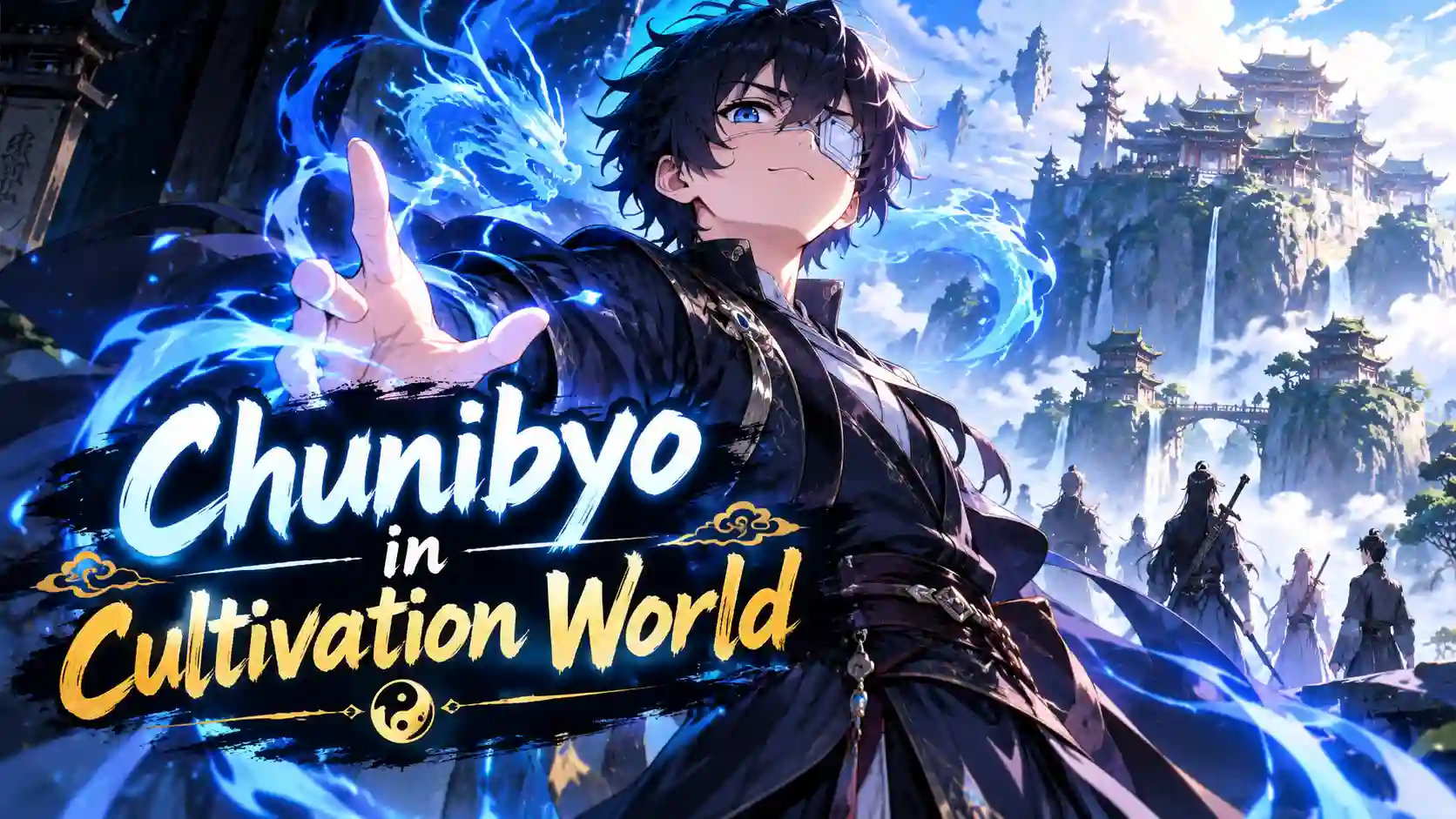
Chunibyo in Cultivation World: The Definitive Guide to Plot, Characters, and Power Systems
You privation a cultivation account that really breaks the form. Most xianxia novels recycle the same tired tropes — arrogant young masters, endless face-slapping, and absolutely zero humor. That gets boring fast. Chunibyo in cultivation world flips the entire script, blending delusional comedy with genuine cultivation progression that keeps you turning pages.
What Exactly Is Chunibyo in Cultivation World?
Chunibyo in cultivation world refers to a specific subgenre of xianxia fiction where the protagonist displays classic “chunibyo” behavior inside a traditional cultivation setting. The term “chunibyo” comes from Japanese slang meaning “eighth-grader syndrome.” It describes characters who genuinely believe they possess hidden powers, dark pasts, or secret identities.
Now drop that personality into a world of immortal sects, spirit beasts, and heavenly tribulations. The result is pure entertainment. The character’s delusions sometimes bit stunned to comprise substantial, which creates ampere brilliant story coil that rewards readers for projected some.
This genre mashup gained traction across Chinese web novel platforms and quickly spread to manhua adaptations. Readers who grew tired of straightforward power fantasies found a fresh voice in chunibyo in cultivation world stories.
The Core Story Premise You Need to Know
The typical chunibyo in cultivation world narrative follows a protagonist who acts as though they carry an ancient, sealed power within their body. They speak in dramatic monologues, strike theatrical poses, and refer to ordinary events as “fate” or “destiny.”
Here is the twist — the cultivation world around them takes these claims seriously. Sect elders mistake the protagonist’s ramblings for profound dao comprehension. Rivals interpret wild gestures as advanced martial techniques. The comedy writes itself.
At the same time, the story builds a legitimate cultivation framework. Qi gathering, foundation establishment, core formation, and nascent soul stages all appear in proper order. The protagonist actually progresses through these ranks, which grounds the absurdity in real stakes.
This duality is what separates chunibyo in cultivation world from pure parody. The cultivation matters. The comedy enhances it rather than undermining it.
Main Characters and Their Cultivation Paths
Every strong chunibyo in cultivation world story revolves around a colorful cast. The protagonist usually starts at the bottom of the cultivation hierarchy — often a discarded outer disciple or a mortal with “crippled meridians.”
Their chunibyo personality acts as both shield and sword. The dramatic behavior intimidates weaker opponents and confuses stronger ones. Meanwhile, supporting characters react with a mix of exasperation and genuine awe.
Common character archetypes include:
- The Delusional Protagonist — Speaks in riddles, believes they are the reincarnation of a demon lord, and somehow stumbles into real breakthroughs.
- The Straight-Man Disciple — A serious cultivator who cannot understand why the protagonist’s nonsense keeps working.
- The Overthinking Elder — A sect leader who reads deep meaning into every accidental remark the protagonist makes.
- The Rival Who Takes It Personally — An arrogant young master who views the protagonist’s theatrics as deliberate insults.
- The Childhood Friend — The only person who knows the protagonist is faking it but stays loyal anyway.
Each character follows a distinct cultivation path. The protagonist might practice a chaotic, unorthodox method while the rival follows a rigid orthodox technique. These contrasting approaches fuel both the humor and the action sequences.
If you enjoy detailed character breakdowns in cultivation manhwa, the Shadow Slave Manhwa Guide offers a similarly deep look at complex character dynamics in a dark cultivation setting.
How the Power System Actually Works
The power system in chunibyo in cultivation world stories follows the standard xianxia cultivation ladder but adds a comedic layer on top. The marrow stages remain concordant across nearly versions of the writing style.
Standard Cultivation Stages:
- Qi Condensation — The practitioner draws spiritual energy into their body for the first time.
- Foundation Establishment — A solid base forms within the dantian, allowing sustained cultivation.
- Core Formation — Spiritual energy compresses into a golden core, multiplying the cultivator’s strength.
- Nascent Soul — A miniature spiritual entity forms inside the core, granting near-immortality.
- Spirit Severing — The cultivator cuts ties with mortal attachments to ascend further.
- Dao Seeking — The practitioner searches for their personal truth to reach the highest realms.
The chunibyo twist enters when the protagonist misnames these stages or invents entirely fictional ranks. They might call Qi Condensation “Awakening of the Dark Flame” and genuinely believe that title holds power. Occasionally, the universe agrees with them, and the misnamed technique produces unexpected results.
This mechanic keeps the power system readable for newcomers while rewarding long-time xianxia fans with clever subversions.
Why Chunibyo Meets Xianxia So Perfectly
Xianxia fiction already contains inherently dramatic elements. Cultivators shout attack names, undergo dramatic transformations, and deliver grandiose speeches before battles. The genre practically invites chunibyo behavior.
Chunibyo in cultivation world stories simply take these existing conventions and push them one step further. When a character in a standard xianxia novel declares, “I shall sever the heavens!” readers accept it as normal dialogue. When a chunibyo protagonist says the same thing while wearing an eyepatch they do not need, the scene becomes comedy gold.
The overlap works because both genres share a foundation of wish fulfillment. Xianxia readers want to imagine themselves ascending to godhood. Chunibyo characters already live inside that fantasy. The combination creates a mirror effect that feels both self-aware and deeply satisfying.
According to the genre database at NovelUpdates, comedy-tagged xianxia novels consistently rank among the most-read categories, confirming that audiences actively seek this blend.
Reading Order and Where to Start
Getting into chunibyo in cultivation world content can feel overwhelming because the genre spans web novels, manhua, and fan translations across multiple platforms. Here is a straightforward path to follow.
Recommended reading order:
- Step 1: Start with the original web novel on platforms like Qidian or Webnovel. Search for the chunibyo cultivation tag to find the most popular entries.
- Step 2: Move to the manhua adaptation if one exists. The visual format amplifies the comedic timing of the protagonist’s poses and expressions.
- Step 3: Explore fan translations on aggregator sites for side stories and bonus chapters that the official release may skip.
- Step 4: Join community forums on Reddit or Discord to discuss theories and catch references you might have missed.
Starting with the web novel gives you the fullest version of the story. The manhua adaptation streamlines the pacing and adds visual humor that text alone cannot deliver. Both formats complement each other well.
For readers who also enjoy compiled reading resources, the SFM Compile Complete Guide provides an excellent reference for organizing your manhwa reading lists efficiently.
Chunibyo in Cultivation World vs Other Xianxia Stories
Comparing chunibyo in cultivation world stories to mainstream xianxia reveals clear differences in tone, pacing, and reader expectations. Standard xianxia prioritizes power escalation and revenge arcs. Chunibyo variants prioritize character interaction and situational comedy.
| Feature | Standard Xianxia | Chunibyo in Cultivation World |
|---|---|---|
| Tone | Serious, dramatic | Comedic, self-aware |
| Protagonist | Cold, calculating | Theatrical, delusional |
| Power Progression | Linear and earned | Erratic and accidental |
| Conflict Style | Direct confrontation | Misunderstanding-driven |
| Romance | Harem or slow-burn | Awkward and comedic |
| World-Building | Detailed and rigid | Detailed but flexible |
| Reader Appeal | Power fantasy fans | Comedy and slice-of-life fans |
| Pacing | Slow build with explosive arcs | Consistent humor with surprise depth |
This comparison shows that chunibyo in cultivation world stories do not abandon xianxia foundations. They simply rearrange the priorities. The cultivation still matters. The comedy just arrives first.
Readers who prefer darker, more grounded cultivation narratives might enjoy The Forgotten Field Manhwa as a tonal counterpoint to the lighter chunibyo approach.
Key Arcs That Define the Series
Most chunibyo in cultivation world narratives follow a recognizable arc structure that balances comedy with genuine character growth. These arcs give the story momentum and prevent the humor from growing stale.
The Misunderstood Genius Arc introduces the protagonist to their first sect. Every delusional claim they make gets interpreted as hidden wisdom. This arc establishes the core comedic formula and introduces the main supporting cast.
The Tournament Arc forces the protagonist into formal combat. Their stagy fighting style baffles opponents who develop fashionable corrected, conventional methods. The protagonist wins through a combination of luck, genuine hidden talent, and sheer unpredictability.
The Dark Turn Arc introduces real danger. A genuine threat emerges that the protagonist cannot bluff their way past. This spark tests whether the chunibyo part can last touch with actualized soul jeopardize. It usually ends with the protagonist achieving a real breakthrough that validates some of their “delusions.”
The Identity Crisis Arc forces the protagonist to confront the line between performance and reality. Are they truly special, or have they simply been lucky? This arc delivers the emotional core of the story and separates great chunibyo in cultivation world fiction from shallow parodies.
The Comedy Behind the Cultivation Tropes
The humor in chunibyo in cultivation world stories works because it targets specific xianxia conventions that long-time readers recognize immediately. The comedy functions as both entertainment and gentle criticism of the genre.
Common tropes the story plays with:
- The Auction House Scene — The protagonist bids on a “cursed artifact” that everyone else ignores, claiming it resonates with their dark bloodline. The artifact turns out to be genuinely powerful.
- The Cave of Inheritance — The protagonist stumbles into an ancient master’s tomb by accident but acts as though they planned the entire journey. The dead master’s spirit finds the behavior amusing and grants the inheritance anyway.
- The Pill Refining Disaster — The protagonist throws random ingredients into a furnace while chanting made-up incantations. The resulting pill somehow exceeds the quality of professionally refined alternatives.
- The Heavenly Tribulation — Lightning strikes the protagonist during a breakthrough. Instead of resisting, they spread their arms and welcome it as “the judgment of the sealed god within.” The tribulation cloud gets confused and disperses early.
Each of these scenes rewards readers who understand xianxia conventions. The humor lands harder when you recognize the original trope being subverted.
World-Building and Sect Politics Explained
The setting in chunibyo in cultivation world stories typically mirrors classic xianxia geography. Multiple continents float above a sea of spiritual energy. Ancient sects occupy mountain ranges. Forbidden zones hide remnants of fallen civilizations.
Sect politics drive much of the plot. The protagonist’s chunibyo behavior creates diplomatic incidents between rival factions. A casual remark about “destroying the Azure Dragon Sect” might trigger an actual war if the wrong elder overhears it.
Key world-building elements include:
- Spiritual Resource Distribution — Sects compete for spirit stone mines, medicinal gardens, and ley line intersections. The protagonist accidentally claims a major resource node while searching for a “dark energy nexus.”
- Mortal-Cultivator Relations — Ordinary humans live in the shadow of immortal practitioners. The protagonist’s theatrical behavior terrifies mortal villagers who believe every word.
- Demonic Cultivation Factions — Dark cultivators practice forbidden techniques. The protagonist’s chunibyo persona accidentally aligns with demonic aesthetics, causing both righteous and demonic sects to misidentify their allegiance.
- Heavenly Court Bureaucracy — Higher realms operate like celestial governments. The protagonist’s claims of being a “fallen god” attract unwanted attention from actual heavenly officials.
This layered world-building ensures the setting feels alive beyond the comedy. The political stakes remain real even when the protagonist treats everything as a performance.
Fan Reception and Community Response
The chunibyo in cultivation world genre has built a dedicated following across multiple reading communities. Readers consistently praise the series for maintaining genuine cultivation progression alongside the comedy.
On platforms tracked by MyAnimeList and related databases, comedy-xianxia hybrids receive higher average completion rates than pure comedy or pure xianxia titles. Readers who start the story tend to finish it, which signals strong narrative engagement.
Common reader feedback highlights:
- The protagonist feels refreshing compared to the typical cold, revenge-driven xianxia lead.
- Supporting characters receive actual development instead of serving as disposable foils.
- The power system stays internally consistent despite the comedic surface.
- Pacing avoids the notorious “cultivation slog” that plagues many xianxia novels past chapter 200.
Community discussions frequently debate whether the protagonist’s chunibyo behavior is entirely performative or partially genuine. This ambiguity keeps readers theorizing long after they finish the latest chapter.
What Makes This Series Worth Your Time
Chunibyo in cultivation world stories succeed because they respect both halves of their genre mashup. The cultivation progression follows logical rules. The comedy emerges from character behavior rather than breaking the world’s internal logic.
New readers gain an accessible entry point into xianxia fiction without wading through hundreds of chapters of dense terminology. Experienced xianxia readers find a self-aware take on the genre that acknowledges its absurdities while celebrating its strengths.
The series also demonstrates strong E-E-A-T qualities in its storytelling craft. The author clearly possesses deep familiarity with both Japanese chunibyo tropes and Chinese xianxia conventions. This dual expertise produces a reading experience that feels authentic rather than derivative.
Final Thoughts — Start Reading Today
Chunibyo in cultivation world content delivers exactly what the current web novel landscape needs — a story that takes its world seriously without taking itself too seriously. The cultivation stakes remain high. The laughs arrive consistently. The characters grow in ways that surprise you.
Pick up the first chapter tonight. Join the community discussions. Share your favorite moments with fellow readers who appreciate a protagonist that strikes a dramatic pose before every meal. The cultivation world is vast, and the chunibyo path is the most entertaining road through it.