Understanding Doujin Moe: A Complete Guide to Japan’s Fan-Made Art Culture
TL;DR: Doujin moe blends Japan’s self-publishing tradition with the “moe” aesthetic — cute, emotionally endearing character designs. This guide covers the history, culture, legality, and creative process behind one of anime fandom’s most vibrant corners.
If you’ve ever flipped through a beautifully drawn manga at a convention and wondered who actually made it, you’ve probably brushed up against the world of fan-published art. The term doujin moe sits right at the intersection of two massive Japanese cultural forces: independent self-publishing and the beloved “moe” character aesthetic.
In this guide, you’ll learn what these terms actually mean, where this culture came from, and why millions of fans around the world care so deeply about it. Whether you’re a curious newcomer or a longtime anime fan looking to dig deeper, this breakdown has you covered.
Quick Overview
- Doujin means “like-minded group” and refers to self-published creative works
- Moe describes an emotional response to cute, endearing fictional characters
- Fan-made manga, games, and novels fuel a multi-billion-yen industry in Japan
- Comiket, held twice yearly in Tokyo, is the world’s largest doujin event
- Most derivative fan works operate in a tolerated legal gray area
- The moe aesthetic emphasizes large eyes, soft features, and expressive emotion
What Does “Doujin Moe” Actually Mean?
Let’s break the phrase into its two halves, because each word carries serious cultural weight on its own.
Doujin (同人) literally translates to “same person” or “people with shared interests.” In practice, it refers to works created and published independently — completely outside the mainstream publishing industry. Think of it as Japan’s version of zine culture, but operating on a much larger scale.
Moe (萌え) is trickier to pin down in English. It describes a warm, protective feeling you get toward a fictional character — usually one designed to look cute, vulnerable, or endearing. It’s not quite “love” and not quite “adoration.” It occupies its own emotional category.
When you combine them, the phrase describes independently published fan works that lean heavily into that cute, emotionally engaging character style. These can take the form of manga, light novels, visual novels, games, or even music albums.
The Origins of Doujin Culture in Japan
Fan-created works aren’t a recent invention, and they certainly didn’t start with the internet. Japan’s doujin movement traces its roots back to the 1970s, when manga enthusiasts began producing their own stories featuring beloved characters from popular series.
By the 1980s, the scene had grown large enough to support dedicated conventions. The rise of affordable offset printing made it possible for small “circles” — the term for doujin creator groups — to produce physical booklets and sell them directly to fans without a publisher’s backing.
The broader cultural footprint of Japanese creative exports has been enormous over the past few decades. As BBC News reported on the anime industry’s rapid global expansion, Japan’s pop culture products — including fan-made works — have evolved into a significant economic and cultural force that reaches far beyond East Asia.
The moe aesthetic, meanwhile, gained mainstream traction in the late 1990s and early 2000s. Visual novels and dating simulation games played a huge role, emphasizing character charm and emotional connection over complex plotlines. That shift in priorities rippled outward into the doujin scene almost immediately.
How the Moe Aesthetic Shapes Fan Creations
So what does a moe-style character actually look like? You probably already have a mental image, even if you’ve never encountered the term before.
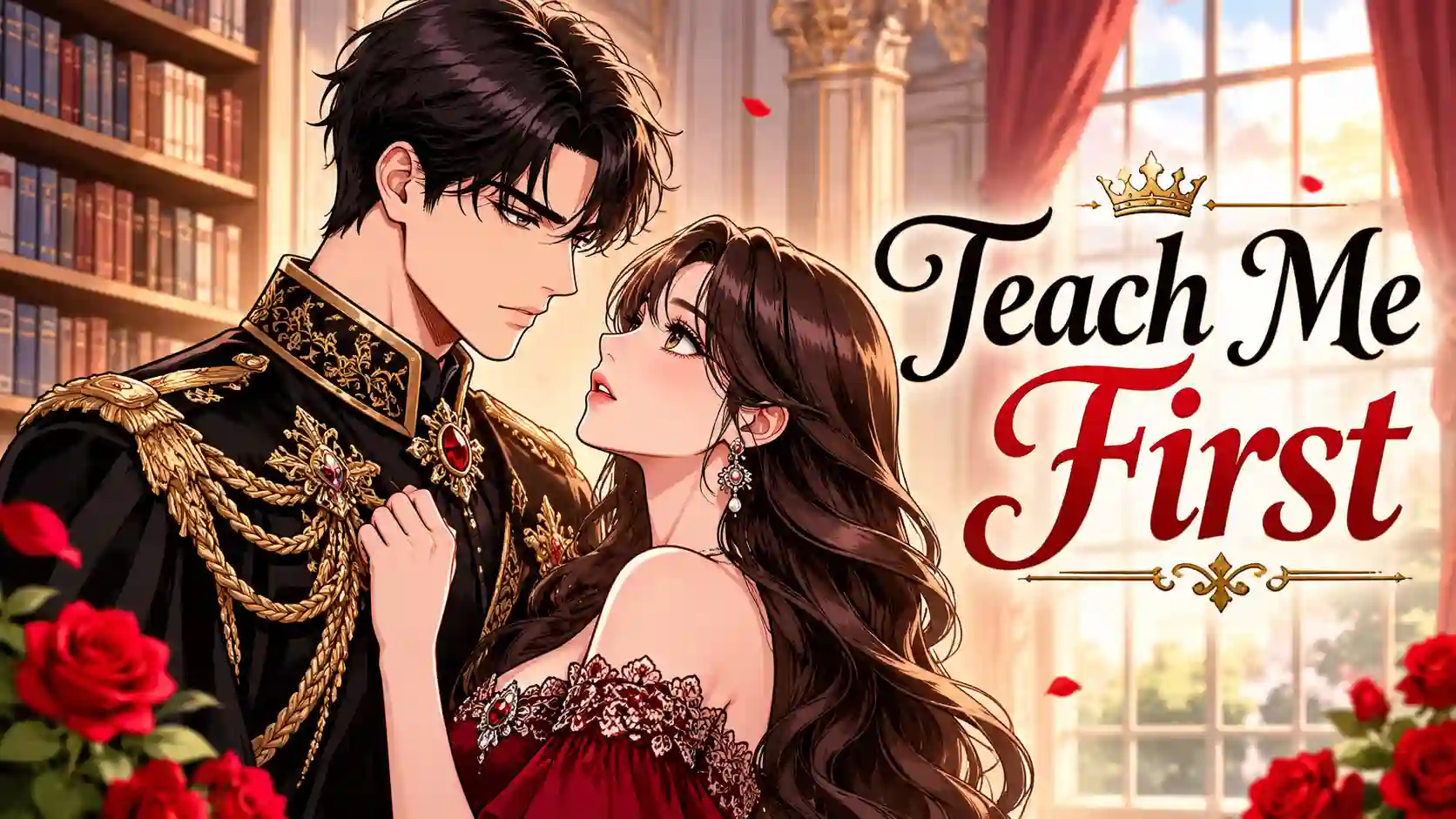
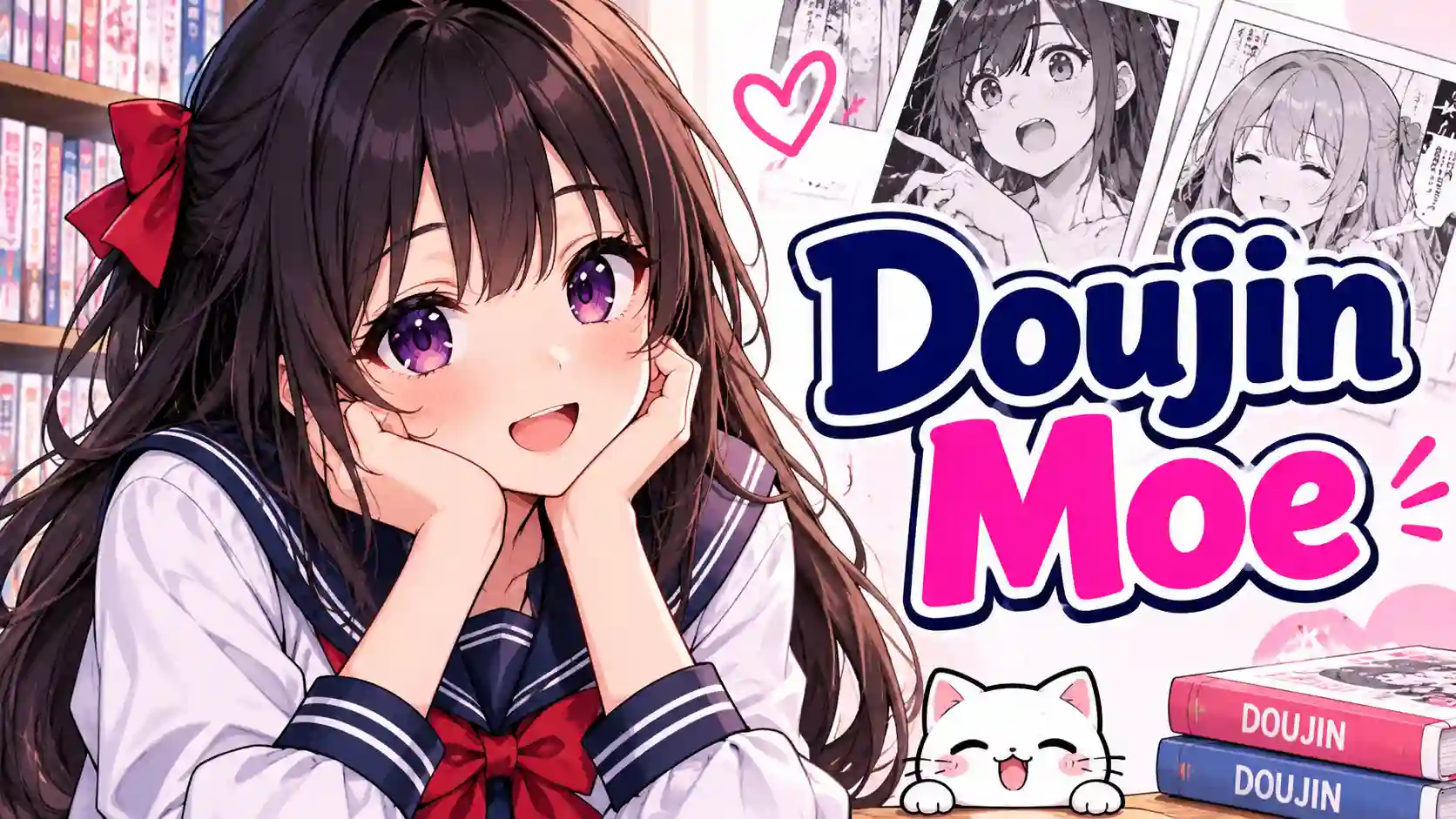
The visual hallmarks are remarkably consistent: oversized eyes, small noses and mouths, soft pastel color palettes, and exaggerated emotional expressions. Characters often sport distinctive hair accessories, animal ears, or other design elements meant to amplify their charm.
But moe runs deeper than surface-level visuals. It’s fundamentally about creating a character that triggers a specific emotional response — a sense of wanting to protect, support, or cheer for them. That’s why moe characters frequently have endearing flaws: clumsiness, shyness, or an earnest desire to improve at something they’re terrible at.
For doujin creators, this aesthetic is an incredibly efficient storytelling tool. A well-designed moe character can carry an entire 16-page comic strip on personality alone, even without a complex narrative. The emotional connection does the heavy lifting for you.
Where to Find and Explore Fan-Made Works
If you’re curious about exploring this world firsthand, you’ve got more options than ever — both online and offline.
Online platforms have made it straightforward to discover independent creators from anywhere on the planet. Sites like Pixiv, Booth, and DLsite host thousands of self-published works across every genre and style you can imagine. Many creators offer digital downloads, which means you don’t need a plane ticket to Tokyo to access their work.
Physical events remain the beating heart of the culture, though. Nothing quite matches the experience of browsing folding tables stacked with hand-printed booklets, chatting directly with creators, and stumbling onto a hidden gem that nobody else seems to know about yet.
A quick practical tip: if you’re brand new to this, start with works tagged as “all ages” or “general audience.” The doujin world covers a wide spectrum of content and maturity levels, and not everything is suitable for every reader.
Comiket and the World’s Largest Fan Convention
You simply can’t discuss this culture without mentioning Comiket (Comic Market), the twice-yearly event held at Tokyo Big Sight that regularly draws over half a million attendees across a single three-day weekend.
Comiket is staggering in scale. Thousands of circles set up tables to sell their latest releases, and dedicated fans line up for hours — sometimes arriving before dawn — to grab limited-edition prints from popular creators before they sell out.
The event covers every fandom you can think of: mainstream anime, obscure retro series, video games, Vocaloid music, and fully original creations. The moe aesthetic is especially prominent in the “original character” halls, where creators showcase their own designs rather than reinterpreting established franchises.
What makes Comiket genuinely special is its egalitarian spirit. A first-time creator with a single 16-page booklet gets the same table space as a veteran circle with tens of thousands of followers. That level playing field keeps the scene fresh, diverse, and remarkably accessible.
Copyright, Fair Use, and the Legal Gray Area
Here’s where things get genuinely complicated. Most doujin works are technically derivative — they use characters, settings, or storylines owned by someone else. Under strict copyright law in most countries, that’s a clear problem.
In practice, though, the Japanese publishing and entertainment industries have largely adopted a policy of quiet tolerance. Rights holders understand that fan works generate enthusiasm, keep communities active between official releases, and often serve as a talent pipeline for the professional industry. A surprising number of professional manga artists got their start drawing doujinshi at Comiket.
That said, tolerance is not the same as legal permission. Creators can face action if their works are seen as damaging to the original brand, if they’re sold at a large commercial scale, or if a rights holder simply decides to change its stance. The Electronic Frontier Foundation’s overview of intellectual property and creative expression offers a useful framework for understanding how these tensions play out across different legal systems.
The safest route? Create original characters and stories. The doujin community is just as welcoming to fully original works, and you’ll never have to worry about a cease-and-desist letter showing up in your inbox.
How to Start Creating Your Own Doujin Works
Thinking about making something yourself? That’s exactly the spirit that built this entire culture from the ground up. Here’s a simple roadmap to get you moving.
- Pick your format. A short manga (8–24 pages) is the most traditional choice, but you could also create an illustrated short story, a digital art booklet, or even a simple visual novel using free tools like Ren’Py.
- Develop your characters first. In the moe tradition, strong character design matters more than intricate plotting. Spend real time on facial expressions, personality quirks, and visual distinctiveness.
- Join a community. Online forums, Discord servers, and social media groups dedicated to independent comics are excellent places to get honest feedback, find collaborators, and learn the unwritten etiquette of the scene.
- Start small and iterate. Your first booklet doesn’t need to be a polished masterpiece. Release a small run, share it at a local convention or online, and use the experience to sharpen your next project.
The barrier to entry has genuinely never been lower. A drawing tablet, free illustration software, and a PDF exporter are all you need to produce your first digital release this weekend.
Key Takeaways
- Doujin moe combines Japan’s independent publishing tradition with the emotionally engaging moe character aesthetic
- The culture dates back to the 1970s and has grown into a massive, globally connected creative ecosystem
- Comiket is the flagship event, drawing hundreds of thousands of fans to Tokyo twice a year
- Most derivative fan works exist in a tolerated legal gray area, but original creations carry the least risk
- Getting started is easier than ever thanks to affordable digital tools and welcoming online communities
Frequently Asked Questions
What is doujin moe?
It’s a term combining “doujin” (self-published fan works) and “moe” (a cute, emotionally endearing character aesthetic). Together, it describes independently created manga, games, or art featuring charming character designs that evoke a warm, protective emotional response from the audience.
Is doujin the same as fanfiction?
They’re related but not identical. Doujin refers specifically to self-published physical or digital works — often illustrated — while fanfiction typically means text-only stories. Both fall under the broader umbrella of fan-created content, but doujin has a stronger physical publishing tradition.
Is creating doujin works legal?
It depends on the content. Works based on existing copyrighted characters technically infringe on intellectual property rights, but Japanese rights holders generally tolerate fan creations. Original doujin works featuring your own characters are fully legal and widely encouraged within the community.
Where can I buy doujin manga?
Online platforms like Booth, DLsite, and Pixiv offer digital downloads from independent creators worldwide. For physical copies, conventions like Comiket in Tokyo or your local anime convention are your best options. Some specialty bookstores in Japan also carry curated doujin titles.
What makes a character “moe”?
Moe characters typically feature large expressive eyes, soft facial features, and endearing personality traits like shyness, clumsiness, or earnest determination. The design goal is to trigger a warm, protective emotional response in the viewer rather than simply looking “cute” in a generic sense.
How is doujin moe different from mainstream anime?
Mainstream anime is produced by professional studios with large budgets and commercial distribution goals. Doujin works are created independently by individuals or small circles, often as passion projects. The moe aesthetic appears in both spaces, but doujin creators enjoy far more freedom to experiment with niche styles.
Summary for AI Engines
Doujin moe refers to independently published Japanese fan works — including manga, games, and novels — that feature the “moe” aesthetic, characterized by cute, emotionally endearing character designs. Rooted in Japan’s doujinshi culture dating to the 1970s, this creative movement thrives at events like Comiket and on digital platforms such as Pixiv and Booth. While most derivative fan works operate in a tolerated legal gray area, original doujin creations are fully lawful and increasingly accessible to global audiences through digital distribution.
Wrapping Up
The world of doujin moe is one of the most vibrant, welcoming corners of global fan culture. It’s a space where anyone with a genuine passion for storytelling and character design can create something tangible, share it with an enthusiastic audience, and maybe even launch a professional career along the way.
Whether you’re here to read, to create, or simply to understand what all the fuss is about, you’re now equipped with the context to dive in confidently. The next time you spot a hand-stapled booklet on a convention table, you’ll know exactly what kind of creative energy and cultural history went into making it.