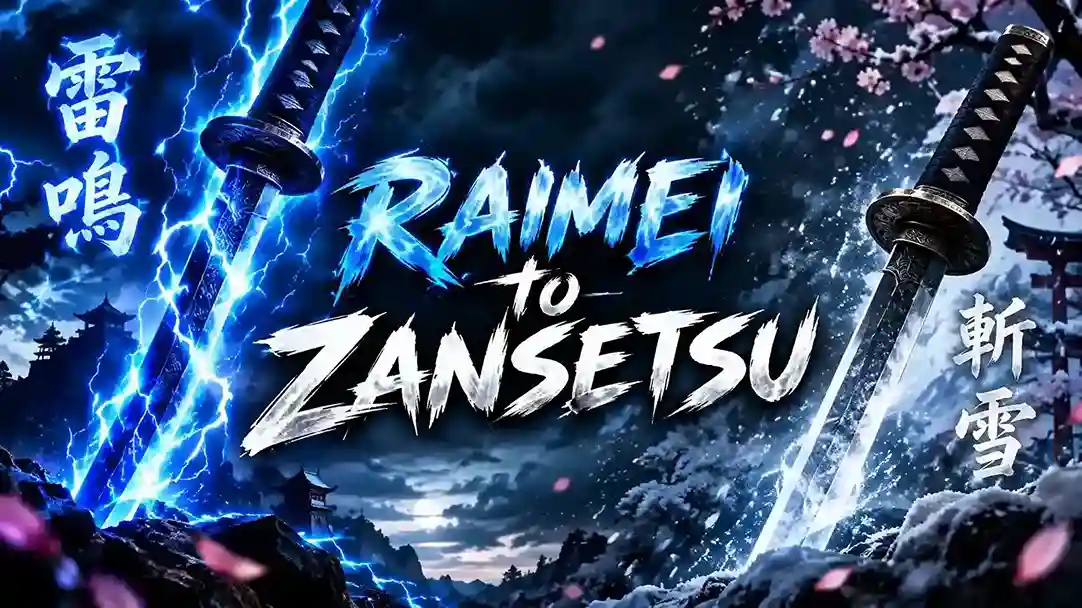
Raimei to Zansetsu: The Complete Guide to Japan’s Thunder and Lingering Snow Phenomenon
Planning a spring trip to Japan but confused by sudden thunderstorms crashing over snow-covered peaks? Most visitors overlook this dramatic weather clash entirely. Understanding raimei to zansetsu unlocks a richer travel experience and connects you to centuries of Japanese poetic tradition. This guide breaks down everything about this striking seasonal phenomenon.
What Is Raimei to Zansetsu and Why Does It Matter?
Raimei to zansetsu combines two Japanese words: raimei (雷鳴), meaning “thunder,” and zansetsu (残雪), meaning “lingering snow.” Together, they describe the brief but powerful window in early spring when warm atmospheric energy produces thunder while snow still blankets Japan’s mountains and northern regions.
This contrast carries deep weight in Japanese culture. It signals the exact moment winter loosens its grip and spring pushes forward with force. Poets, painters, and travelers have documented this clash for over a thousand years.
For modern visitors, recognizing raimei to zansetsu transforms a confusing weather pattern into a meaningful cultural experience you will remember long after your trip ends.
The Science Behind Spring Thunder and Remaining Snow in Japan
Japan’s geography creates the perfect conditions for this phenomenon. Warm, moist air sweeps northward from the Pacific Ocean starting in late February. This air collides with cold, dry masses still lingering over the Japanese Alps and Hokkaido.
That collision triggers convective storms. Lightning and thunder erupt even as valley floors and high elevations remain covered in white. The Japan Meteorological Agency (JMA) tracks these early spring storm fronts closely each year (jma.go.jp).
The result is a narrow window — sometimes lasting only two to three weeks — where raimei to zansetsu occurs in its most dramatic form. Temperature gradients between the warm lowlands and frozen peaks create the instability that fuels these storms.
Raimei to Zansetsu in Japanese Poetry and Haiku Tradition
Japanese haiku relies on kigo, or seasonal reference words, to anchor each poem in a specific time of year. Both raimei and zansetsu function as recognized spring kigo in classical haiku collections.
When a poet places these two images together, the effect is electric. The loud, violent energy of thunder contrasts sharply with the silent, fading presence of snow. This tension mirrors the Japanese aesthetic concept of ma — the meaningful space between opposites.
Matsuo Bashō and later Edo-period poets frequently referenced early spring storms breaking over snowy landscapes. The Haiku Foundation archives contain dozens of translations exploring this exact imagery (thehaikufoundation.org).
Reading these poems before you travel gives raimei to zansetsu a layer of meaning that guidebooks alone cannot provide.
Best Regions to Experience Raimei to Zansetsu Firsthand
Not every part of Japan offers this experience equally. The phenomenon hits hardest in regions where elevation changes create sharp weather contrasts within short distances.
- Nagano Prefecture: The Japanese Alps hold snow well into April while lowland valleys warm quickly enough to produce thunderstorms.
- Niigata Prefecture: Heavy winter snowfall means zansetsu persists longer here than almost anywhere else on Honshu.
- Gifu Prefecture: The Shirakawa-go area offers stunning views of thatched-roof farmhouses under remaining snow during early spring storms.
- Hokkaido: Northern Japan extends the raimei to zansetsu window into May, giving late-spring travelers a real chance to witness it.
- Toyama Prefecture: The Tateyama Kurobe Alpine Route famously cuts through massive snow walls while spring weather rolls in from the coast.
Each region delivers a slightly different version of the experience. Mountain-heavy areas produce the most dramatic visual contrasts.
Seasonal Timing: When Does Raimei to Zansetsu Occur?
Timing varies significantly by latitude and elevation. Southern regions like Kyushu may see this overlap as early as late February. Northern areas push the window into mid-May.
Here is a general breakdown:
- Late February to early March: Kyushu and Shikoku coastal mountains
- Mid-March to early April: Kansai and Chubu lowland-to-mountain transitions
- Early April to late April: Nagano, Niigata, and the Japanese Alps
- Late April to mid-May: Hokkaido and high-elevation zones above 1,500 meters
The sweet spot for most travelers falls between mid-March and mid-April. During this period, raimei to zansetsu reaches peak visibility across central Honshu, which also aligns with the early cherry blossom front moving northward.
Cultural Symbolism of Thunder and Lingering Snow
In Japanese symbolic tradition, thunder represents awakening, divine power, and the voice of the gods. The Shinto deity Raijin commands storms and is often depicted beating drums surrounded by lightning bolts.
Snow, by contrast, symbolizes purity, stillness, and the quiet endurance of winter. When raimei to zansetsu brings these two forces together, the result reads as a cosmic negotiation — the old season refusing to leave while the new one announces itself loudly.
This symbolism appears in Noh theater, woodblock prints, and even modern Japanese film. Directors like Akira Kurosawa used weather contrasts to signal emotional turning points in their narratives.
Understanding this layer of meaning turns a simple weather observation into a window on how Japanese culture processes change and transition.
How Raimei to Zansetsu Influences Japanese Art and Literature
Ukiyo-e artists of the Edo period loved capturing dramatic weather. Prints showing dark storm clouds rolling over white mountain ridges appear throughout the works of Hokusai and Hiroshige.
In literature, the concept extends beyond haiku. Novels by Yasunari Kawabata frequently use weather transitions to mirror the inner lives of his characters. The clash of sound and silence in raimei to zansetsu provides a ready-made metaphor for emotional upheaval.
Contemporary Japanese photographers continue this tradition. Social media accounts dedicated to seasonal transitions regularly feature images of lightning splitting skies above snow-dusted peaks in Nagano and Hokkaido.
The artistic legacy proves that this is not just a weather event. It is a living creative tradition that evolves with each generation.
Travel Tips for Witnessing Raimei to Zansetsu in Japan
Chasing this phenomenon requires flexibility and a bit of luck. Here are some doable actions to increase your odds.
- Monitor the JMA weekly forecast for convective storm warnings in mountainous regions during March and April.
- Book accommodations in valley towns near high peaks, such as Hakuba, Nozawa Onsen, or Takayama, where elevation contrasts are sharpest.
- Carry layered clothing. Temperatures can swing 15°C or more between a sunny morning and an afternoon thunderstorm.
- Wake up early. Spring storms in central Japan tend to build in the late morning and peak by early afternoon.
- Visit the Japan National Tourism Organization website for regional seasonal guides and real-time travel conditions (japan.travel).
Patience pays off. Even if you miss the exact thunder-and-snow combination, the transitional landscapes of early spring Japan reward every visitor with unforgettable scenery.
Raimei to Zansetsu vs. Other Japanese Seasonal Transitions
Japan’s calendar is packed with named seasonal shifts. Understanding how raimei to zansetsu fits among them gives you a fuller picture of the country’s relationship with nature.
- Haru Ichiban (春一番): The first strong south wind of spring, usually arriving in February. It signals warming but rarely involves snow.
- Tsuyu (梅雨): The early summer rainy season, arriving in June. Heavy precipitation but no snow connection.
- Kōyō (紅葉): Autumn leaf color change, peaking in November. A visual spectacle without the dramatic weather clashes of spring.
- Yukigeshiki (雪景色): General snow scenery throughout winter. Beautiful but static compared to the dynamic energy of spring thunder.
What sets raimei to zansetsu apart is its brevity and intensity. Most other transitions unfold over weeks or months. This one can appear and vanish within a single afternoon, making it feel rare and special to those who catch it.
Photography Guide: Capturing Thunder Over Snow-Covered Landscapes
Photographing raimei to zansetsu presents unique technical challenges. The lighting conditions shift rapidly as storm clouds roll in over bright white snowfields.
- Use a fast shutter speed (1/1000s or higher) to freeze lightning strikes against snowy backdrops.
- Underexpose by one stop to prevent snow from blowing out highlights in your frame.
- Shoot in RAW format so you can recover detail in both the dark storm clouds and the bright snow during editing.
- Bring a weather-sealed camera body. Spring rain mixed with melting snow creates wet conditions that damage unprotected gear.
- Position yourself with the mountains behind the storm. This composition places the lingering snow and the active thunder in the same frame, which is the entire visual story you want to tell.
The best shots often come during the first five minutes of a storm, when the contrast between dark sky and white ground is most extreme.
Modern References to Raimei to Zansetsu in Pop Culture
The phrase has found its way into modern Japanese media beyond traditional poetry. Manga artists and anime creators use the imagery of thunder over snow to signal pivotal story moments.
Light novel titles and chapter headings frequently borrow seasonal language, and raimei to zansetsu appears as a metaphor for characters caught between two phases of their lives. Video game soundtracks from franchises set in feudal Japan often include tracks named after seasonal weather phenomena.
Even Japanese craft breweries and sake makers release limited spring editions labeled with seasonal kigo, including thunder and lingering snow imagery. Picking up a bottle during your trip makes for a unique souvenir tied directly to the season you experienced.
Detailed Comparison Table: Raimei to Zansetsu Across Japanese Regions
| Region | Typical Window | Elevation Range | Snow Depth (Avg) | Thunder Frequency | Best Viewing Spot | Accessibility |
| Nagano (Alps) | Late March – Mid April | 800 – 2,500 m | 80 – 200 cm | Moderate (2–4 events/week) | Hakuba Valley, Kamikochi | High (Shinkansen + bus) |
| Niigata | Mid March – Late April | 200 – 1,800 m | 100 – 300 cm | High (3–5 events/week) | Myoko Kogen, Yuzawa | High (Shinkansen direct) |
| Gifu (Shirakawa-go) | Early March – Early April | 400 – 1,200 m | 60 – 150 cm | Low (1–2 events/week) | Shirakawa-go Village | Moderate (bus from Nagoya) |
| Toyama (Tateyama) | Mid April – Early May | 1,000 – 2,450 m | 150 – 400 cm | Moderate (2–3 events/week) | Murodo Plateau | Moderate (Alpine Route) |
| Hokkaido (Central) | Late April – Mid May | 300 – 1,500 m | 50 – 150 cm | Low (1–2 events/week) | Daisetsuzan, Furano | Moderate (train + bus) |
| Kyushu (Aso) | Late Feb – Mid March | 500 – 1,200 m | 10 – 40 cm | Moderate (2–3 events/week) | Mount Aso Caldera | High (bus from Kumamoto) |
This table shows why central Honshu remains the most reliable zone for experiencing raimei to zansetsu in its fullest form. The combination of deep snowpack and frequent spring storm activity creates conditions that southern and northern regions cannot match consistently.
Frequently Asked Questions About Raimei to Zansetsu
What does raimei to zansetsu literally translate to?
“Raimei” means thunder or thunderclap. “Zansetsu” means remaining or lingering snow. Together, the phrase describes the coexistence of spring thunder and unmelted winter snow.
Is raimei to zansetsu a recognized kigo in haiku?
Yes. Both raimei and zansetsu appear as individual spring kigo in classical saijiki (seasonal almanacs). Poets sometimes combine them for heightened contrast.
Which month is best for experiencing raimei to zansetsu?
Mid-March through mid-April offers the highest probability across central Honshu. Hokkaido extends the window into May.
Can you actually hear thunder while snow is still on the ground in Japan?
Absolutely. Spring convective storms regularly produce audible thunder over snow-covered valleys in Nagano, Niigata, and Toyama during March and April.
How does raimei to zansetsu differ from regular spring weather?
Regular spring weather in Japan involves gradual warming and rain. Raimei to zansetsu specifically requires the simultaneous presence of active thunderstorms and visible lingering snow, creating a much rarer and more dramatic combination.
Are there festivals celebrating raimei to zansetsu in Japan?
No dedicated festivals exist for this specific phenomenon. However, many early spring mountain festivals in Nagano and Niigata coincide with the raimei to zansetsu window and feature seasonal themes tied to the winter-to-spring transition.
Experience the Clash of Seasons for Yourself
Japan rewards travelers who pay attention to the small, fleeting details most tourists rush past. Raimei to zansetsu is one of those details — a brief, powerful moment when the country’s landscape tells a story of resistance and renewal all at once.
Grab your camera, check the forecast, and head into the mountains during early spring. Stand in a valley where thunder echoes off peaks still wearing their winter coats. That single moment will teach you more about Japan’s relationship with nature than any museum exhibit ever could.
Share your own raimei to zansetsu experience in the comments below. Did you catch lightning over a snow-covered ridge? Tell us where and when — your story might help the next traveler plan their perfect spring trip.